
Have we entered into post meaning society?


Home Sapiens Always Lived in Post Truth Age
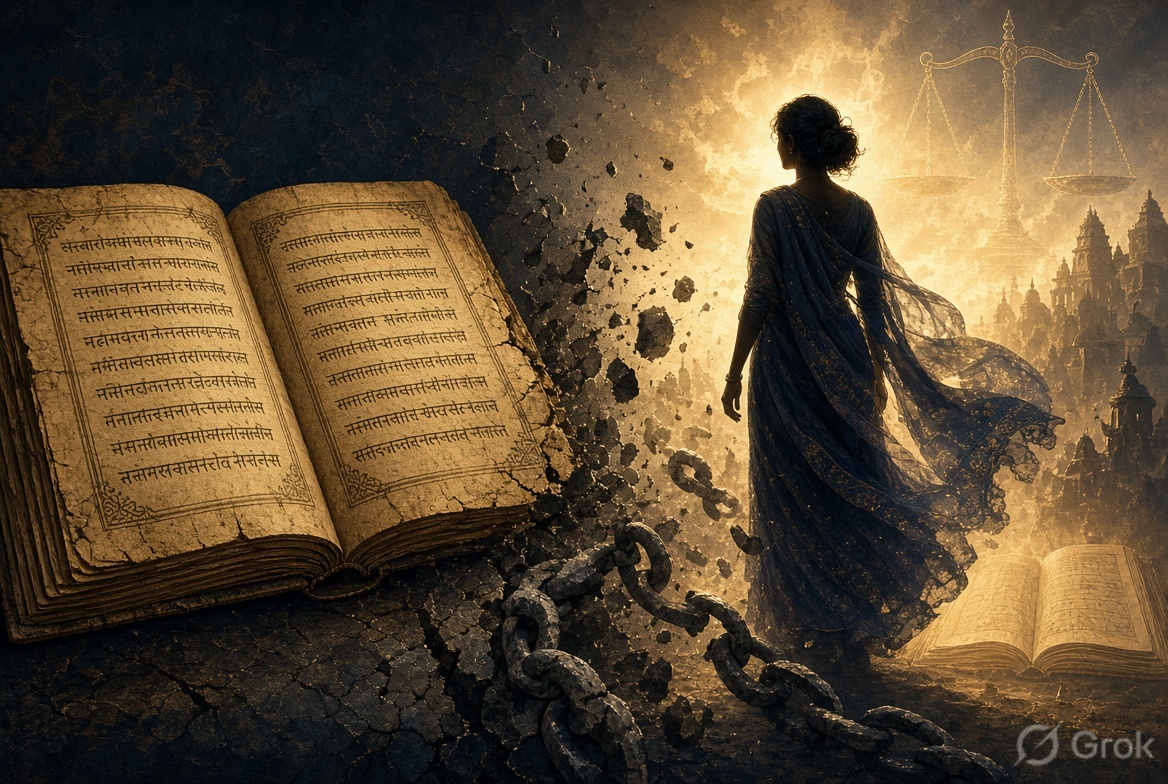
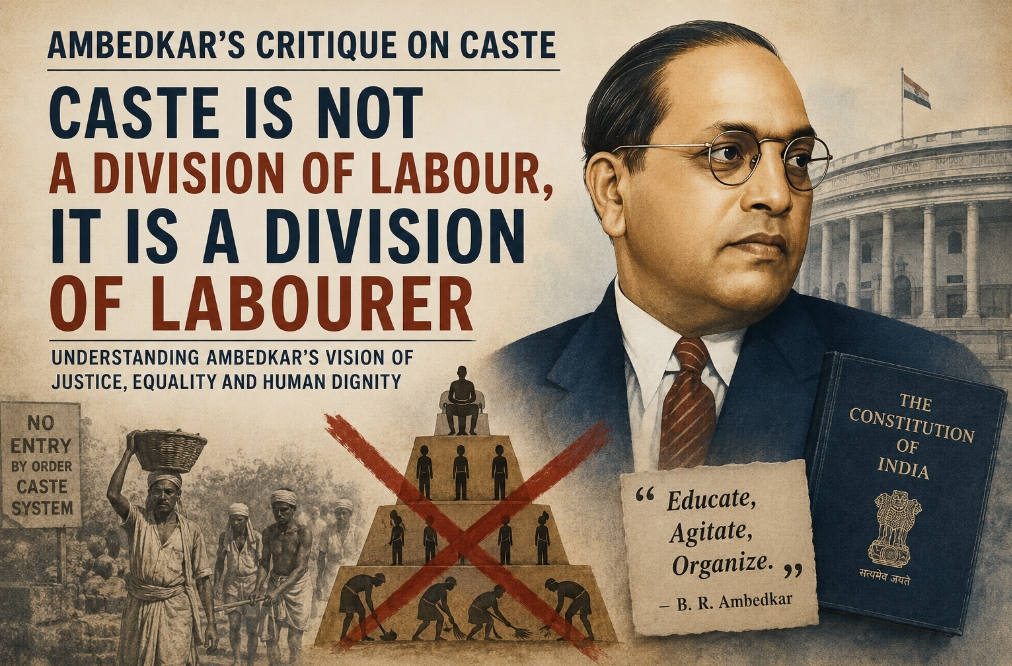
Around 3 century BC, when Manusmriti was fully compiled, society governed by Hindu religion provided overwhelming acceptance that God made Brahmin and other supper caste superior to shudras. Few centuries later, millions self-reinforced to mythological bubble of Christianity, without questioning bible through the lens of rationality. In almost similar historical epoch, millions subscribed to the Muslim faith without questioning veracity of the Quran.
Hitherto, we have no empirical or scientific evidence to support that all evil souls burn in heaven after they die or Eve was tempted by the serpent, or God become angry when a brahmin marries a Dalit. History itself reveals that misinformation and propaganda have remained part and parcel of human developed, as home sapiens have continued to propagate, rely and worship in work of fictions. Thus, home sapiens have continued to live in post truth age (Harari, 2018).
Decline of Grand Narratives
With the dismantling of grand narratives or meta-narratives (religion and operating systems of civilisation) in the post modernity epoch (post second world war phase), truth, identity and morality have become more relative. Grand narrative construct overarching story that expounds:
- Who we are?
- Why society exists?
- Where history is headed?
- What is right and wrong?
- What gives life meaning?
Operating system of civilisation including religious grand narratives offered answers to these overreaching questions.
Religious Grand Narratives
Many religions offer a comprehensive story:
- Humanity has a divine origin.
- Life has a purpose.
- Suffering has meaning.
- Moral laws are grounded in a higher reality.
- History is moving toward salvation or redemption.
Secularization, individualism, technology and simulation
Traditional role of religion is vanishing, particularly in developed countries and urbanised parts of world due to myriad factors, including growing thrust for individualism, self-expression, experience and emergence of liquid modernity. Social media, algorithms, and hyper-consumerism turn life into performance, “posting” over living. Experiences become content and curated identities. This is creating unprecedented or “bullshit” overload and disconnection from reality, others, and self. Concomitantly, never before in human history have so many people experienced and enjoyed such unprecedented freedom, prosperity, and access to information.
The Great Unraveling
The modern world did not abandon grand narratives overnight. Rather, confidence in them eroded gradually. Scientific discoveries challenged traditional religious explanations. Historical catastrophes undermined faith in inevitable progress. Globalization exposed people to countless competing worldviews. The internet accelerated this process dramatically.
The French philosopher Jean-François Lyotard famously described the postmodern condition as an “incredulity toward metanarratives”—a growing skepticism toward any story claiming to explain history, morality, or human destiny in universal terms. Increasingly, people stopped asking: Which grand narrative is true? and began asking: Why should I trust any grand narrative at all? This shift marked one of the most profound cultural transformations in modern history.
From Inherited Meaning to Personal Construction
Previous generations largely inherited their identities. Modern individuals are increasingly expected to create them. This appears liberating in many ways. Nevertheless, it also places an extraordinary burden on the individual. Today’s young adult is expected to answer questions individually that previous societies answered collectively:
- Who am I?
- What should I believe?
- What kind of life is worth living?
- What gives existence significance?
Instead of receiving a narrative, postmodern young adults are asked to become authors. The challenge is that writing one’s own life story from scratch is far more difficult than choosing among established ones. Yes, freedom has increased. So has existential responsibility.
Conclusion
The collapse of grand narratives liberated humanity from many forms of unquestioned authority. But liberation creates a new task. If the old stories can no longer command universal belief, we must learn how to construct forms of meaning capable of sustaining human life under conditions of unprecedented freedom. The defining project of the twenty-first century may therefore be neither technological innovation nor economic growth. It may be the search for new ways of answering an ancient question: What story are we living in—and why should it matter?
References
Colier, N. 2016. When “Posting” Our Life Is More Important Than Living It [online] https://www.psychologytoday.com/us/blog/inviting-monkey-tea/201604/when-posting-our-life-is-more-important-living-it
Harari, Y.N. 2018. Are we living in a post-truth era? Yes, but that’s because we’re a post-truth species [online] https://ideas.ted.com/are-we-living-in-a-post-truth-era-yes-but-thats-because-were-a-post-truth-species/
Thompson, K. 2025. Postmodernism in Sociology: Key Ideas and Examples of Postmodern Thinkers [online] https://revisesociology.com/2017/08/05/postmodernism-introduction-sociology/