
Aphra Behn’s The Rover: Restoration Theatre, Feminism, and Political Satire

The Restoration era (1660–1700) marked one of the most transformative periods in English literary history. Following years of Puritan rule, the return of Charles II restored not only the monarchy but also the nation’s appetite for theatre, art, and intellectual freedom. While audiences celebrated witty comedies and lavish performances, this cultural revival also opened new—though limited—opportunities for women to participate in public literary life.
Among the remarkable figures to emerge from this period was Aphra Behn, a pioneering playwright whose work challenged traditional gender roles and reshaped the representation of women in English drama. Her celebrated comedy, The Rover, remains one of the finest examples of Restoration theatre, blending romance, political commentary, and social criticism into an enduring masterpiece.
The Restoration Period: A Cultural Renaissance
The Restoration represented a dramatic departure from the strict moral climate imposed during the Puritan Commonwealth. With theatres reopening after nearly two decades of closure, dramatic entertainment flourished once again. Wit, satire, urban sophistication, and social commentary became defining characteristics of Restoration comedy.
This renewed artistic freedom allowed women to enter the theatrical world as actresses and playwrights for the first time in England. However, these opportunities came with significant social challenges. Female performers were often admired publicly while simultaneously subjected to criticism, objectification, and moral scrutiny.
This contradiction shaped the experiences of many women writers, including Aphra Behn, whose literary career consistently challenged the expectations imposed upon women.
Aphra Behn: England’s First Professional Female Writer
Aphra Behn occupies a unique place in literary history as one of the first English women to earn her living entirely through writing. More importantly, she transformed literature into a platform for questioning patriarchal authority and advocating female autonomy.
Unlike many playwrights of her time, Behn portrayed women as intellectually capable individuals with emotional depth and independent desires. Her heroines refused to remain silent spectators in their own lives. Instead, they questioned authority, pursued love on their own terms, and challenged the double standards governing male and female behaviour.
Her willingness to discuss female sexuality openly made her a controversial figure. Male critics frequently condemned her work as immoral, illustrating the gender bias that shaped literary criticism during the Restoration period.
Why The Rover Continues to Captivate Readers
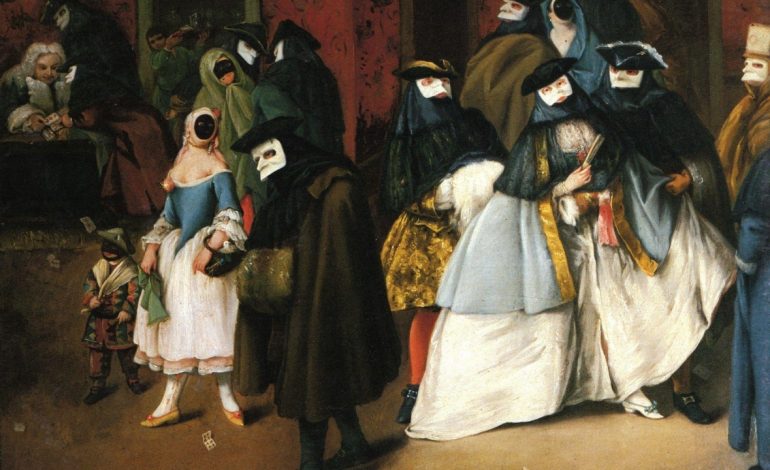
At first glance, The Rover appears to be a lively romantic comedy filled with disguises, misunderstandings, witty conversations, and Carnival festivities. Yet beneath its entertaining narrative lies a sophisticated exploration of power, gender, and political identity.
Set against the vibrant backdrop of Naples during Carnival, the play uses masquerade and disguise as symbols of liberation. Social hierarchies temporarily dissolve, allowing characters to challenge rigid expectations regarding class, marriage, and gender roles.
The Carnival setting creates a world where identity becomes fluid, making it possible for women to negotiate freedom in ways that would otherwise be impossible.
Florinda and Hellena: Women Who Challenge Patriarchy
Two of the play’s strongest characters—Florinda and Hellena—illustrate different forms of resistance against patriarchal control.
Florinda struggles against an arranged marriage designed to strengthen family alliances rather than respect her personal wishes. Her story highlights how women were often treated as instruments of social and economic negotiation.
Hellena offers a more outspoken challenge. Destined for life in a convent, she refuses to surrender her independence or suppress her curiosity about love and desire. Intelligent, humorous, and fearless, Hellena actively shapes her own future rather than accepting the one chosen for her.
Through these heroines, Behn questions the assumption that women should remain passive participants in society.
Female Sexuality as Empowerment
One of the most groundbreaking aspects of The Rover is its portrayal of female sexuality.
Rather than reducing women to objects of male desire, Behn presents sexual expression as a natural part of female identity. Her female characters openly discuss attraction, romance, and marriage without shame or apology.
This perspective distinguished Behn from many of her contemporaries, whose works often reinforced patriarchal assumptions. By giving women control over their own emotional and romantic choices, Behn challenged the cultural double standards that privileged male freedom while restricting female autonomy.
Today, this aspect of The Rover continues to attract scholars interested in feminist literary criticism and gender studies.
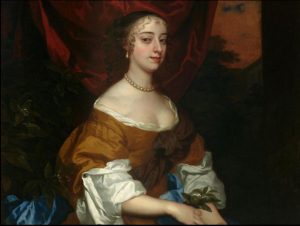
Figure: Women in Restoration Drama
Political Commentary Beneath the Comedy
Although celebrated as a romantic comedy, The Rover also reflects the political tensions of Restoration England.
The play’s Cavalier characters represent loyalty to the restored monarchy, reflecting Behn’s own Royalist sympathies. Their adventures symbolise more than personal freedom—they echo broader debates surrounding political legitimacy, national identity, and social order following the English Civil War.
Rather than separating politics from entertainment, Behn skillfully combines both, demonstrating how personal relationships often mirror larger political struggles.
Carnival: Freedom Through Disguise
Carnival serves as much more than a festive backdrop.
Its temporary suspension of social rules allows characters to explore identities that everyday society suppresses. Masks become symbols of liberation rather than deception, enabling women to express desires and ambitions that patriarchal society seeks to silence.
This carnivalesque atmosphere transforms The Rover into a powerful exploration of freedom, identity, and resistance.
Why The Rover Remains Relevant Today
More than three centuries after its publication, The Rover continues to resonate with modern audiences because its central questions remain remarkably contemporary:
- Should families control women’s life choices?
- Can love exist without equality?
- How do social expectations shape identity?
- What role does literature play in challenging injustice?
These enduring themes explain why the play remains a cornerstone of Restoration literature and feminist criticism.
Final Thoughts
Aphra Behn’s The Rover is far more than a Restoration comedy. It is an insightful examination of gender, politics, sexuality, and personal freedom. By creating intelligent female protagonists who resist patriarchal authority, Behn transformed the Restoration stage into a space where entertainment became a vehicle for social criticism.
Her fearless storytelling challenged conventional ideas about women and literature, establishing a legacy that continues to inspire readers, scholars, and playwrights today.
For anyone interested in Restoration theatre, feminist literary history, or the evolution of women’s voices in English literature, The Rover remains an essential and rewarding work.
SEO FAQs
Who was Aphra Behn?
Aphra Behn was one of England’s earliest professional female writers and a major playwright of the Restoration period. Her works challenged gender norms and expanded women’s roles in English literature.
What is the main theme of The Rover?
The play explores female agency, love, sexuality, political loyalty, and resistance to patriarchal authority through the conventions of Restoration comedy.
Why is The Rover considered a feminist text?
The play presents women as active decision-makers who question arranged marriages, religious restrictions, and male dominance, making it an important work in feminist literary criticism.
Why is Carnival important in The Rover?
Carnival creates a temporary space where social rules are relaxed, allowing characters to challenge traditional identities and power structures through disguise and role reversal.