
Udaipur Travel Diary: Exploring the City of Lakes, Royal Palaces and Timeless Heritage After Diwali

Udaipur travel diary
An unforgettable journey through Udaipur’s historic old city, the enchanting Lake Pichola, Saheliyon Ki Bari, City Palace and the festive charm of Fateh Sagar Lake.
Day 1: A Beautiful Morning in the City of Lakes
I reached Udaipur at around 7 AM, on the morning after Deepawali. The city was just beginning to wake up, but its charm was already evident. Since I had arrived much before the hotel’s scheduled check-in time, I was initially unsure how to manage the next few hours. Fortunately, the hotel staff turned out to be extremely cooperative. They made me comfortable and graciously deposited my travel bag in the cloakroom.
I had deliberately chosen a hotel in Udaipur’s Old City because most of the city’s historical landmarks, architectural marvels and cultural attractions are concentrated in this area. I wanted to experience the city on foot, explore its narrow lanes and soak in its historical character rather than spend too much time commuting.
After a refreshing cup of tea, I headed towards Gangaur Ghat, one of the most picturesque and culturally significant waterfront locations in Udaipur.
Although it was still early morning, Gangaur Ghat appeared vibrant and full of energy. The place had its own rhythm, with people from different walks of life enjoying the tranquillity of the lake.
What particularly caught my attention was the sight of at least five couples enthusiastically engaged in pre-wedding photoshoots. Their excitement was unmistakable. The satisfaction of having chosen the picturesque banks of Lake Pichola as the backdrop for such an important occasion was clearly visible on their faces.
A little further away, some visitors were busy offering grains to pigeons. Watching hundreds of pigeons descend upon the steps, pick up grains and suddenly take flight towards the open sky was fascinating. Their collective movement created a beautiful spectacle against the backdrop of the lake.
As I stood there observing the surroundings, I discovered an uncanny resemblance between Udaipur and Venice. The historical buildings, magnificent waterfront structures and their reflection in the water reminded me of the famous Italian city. Although the two destinations have entirely different cultural identities, their shared relationship with water and heritage architecture creates a striking visual similarity.
Gangaur Ghat is not merely a beautiful tourist spot. It is also an important cultural space associated with traditional festivals, particularly Gangaur, which celebrates the devotion of women to Goddess Gauri. The ghat reflects the city’s deep-rooted relationship with its religious traditions, local customs and Lake Pichola.
The Friendly People and the Changing Face of Tourism
One of the most pleasant aspects of my initial interaction with Udaipur was the friendliness of its residents. I briefly interacted with a few auto-rickshaw drivers and hotel staff members. Their conversations revealed an interesting pattern: tourist footfall generally increases considerably from the day after Deepawali.
Interestingly, I discovered that many visitors had arrived with dual objectives. Apart from exploring Udaipur’s historical and cultural attractions, some were also seeking respite from Delhi’s deteriorating air quality. For them, Udaipur offered an opportunity to escape the pollution, enjoy relatively cleaner surroundings and spend a few days amidst lakes and heritage architecture.
After spending some time around Lake Pichola, I felt there was little more to discover at that particular moment. I returned to my hotel, only to realise that it was barely 9 AM.
The receptionist politely informed me that completing the check-in formalities before 1 PM would not be possible. Rather than wasting those precious morning hours, I decided to explore the Old City market.
Saheliyon Ki Bari: A Garden That Reflects Royal Elegance
While walking around, I noticed several banners advertising rental two-wheelers. After a little bargaining, I managed to rent a scooty for approximately two and a half hours at just ₹200.
The shop owner suggested that I visit Saheliyon Ki Bari before 10 AM. Located approximately seven kilometres away, it seemed like an ideal destination for a short ride.
I immediately headed towards the garden.
Saheliyon Ki Bari, literally meaning the Garden of the Maidens, is one of Udaipur’s most beautiful historical attractions. Built during the reign of Maharana Sangram Singh II in the 18th century, the garden is traditionally associated with the royal women and their companions.
The moment I entered the garden, I felt completely immersed in its beauty. The carefully designed green spaces, marble pavilions, fountains, lotus pools and elegant water features created an atmosphere of serenity.
What makes this garden particularly interesting is its historical significance. It was designed as a recreational retreat for the royal ladies, providing them with a peaceful space away from the formalities of palace life.
The fountains and water channels are especially fascinating because they demonstrate the aesthetic sensibilities and engineering capabilities of the Mewar rulers. The garden is a beautiful example of how royal architecture was not limited to imposing forts and palaces but also extended to thoughtfully designed recreational spaces.
I spent some time appreciating its architectural details and tranquil surroundings. It was a refreshing contrast to the lively atmosphere of Gangaur Ghat.
City Palace: Walking Through the Glorious History of Mewar
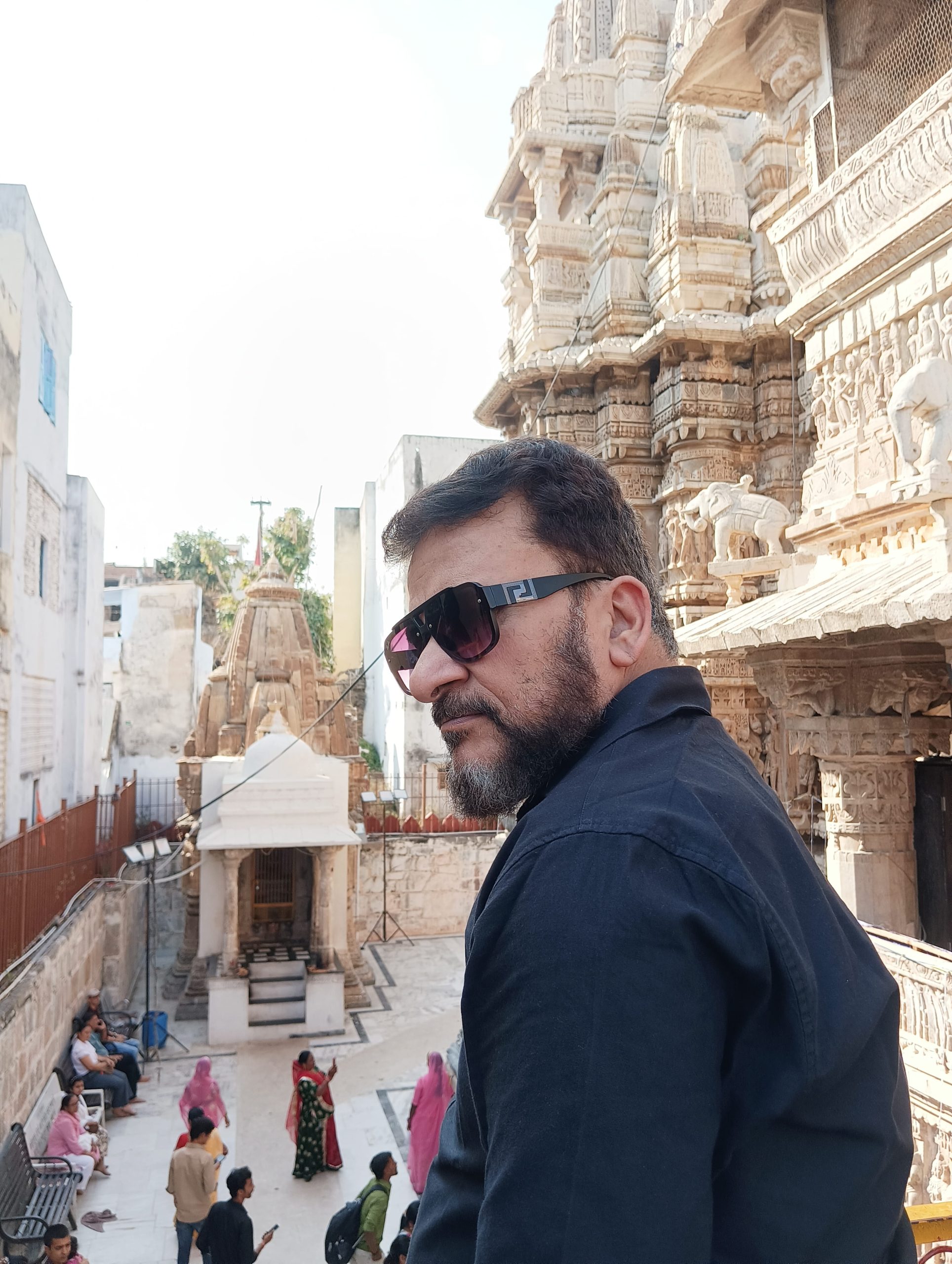
My next destination was City Palace Udaipur, undoubtedly one of the most magnificent historical landmarks in Rajasthan.
I was amazed by two things: the sheer volume of tourists and the extraordinary architectural beauty of the palace.
Overlooking Lake Pichola, the City Palace is an architectural masterpiece that reflects the political history, artistic excellence and royal lifestyle of the Mewar dynasty. Its construction was initiated by Maharana Udai Singh II in the 16th century, following the establishment of Udaipur as the new capital of Mewar. Subsequent rulers expanded and embellished the palace complex over several generations.
The result is an extraordinary blend of Rajput, Mughal and European architectural influences.
The palace is much more than a royal residence. A substantial portion of the complex functions as a museum, preserving the historical legacy of the Mewar rulers through paintings, royal artefacts, weapons, costumes, furniture and other objects of historical importance.
It took me almost two hours to navigate through most of the accessible palace complex.
Some of the architectural highlights include:
- Mor Chowk: Famous for its magnificent peacock mosaics, this courtyard showcases the artistic brilliance of traditional Mewar craftsmanship.
- Manak Mahal: Known for its beautiful decorative elements and royal interiors.
- Sheesh Mahal: A fascinating representation of the elaborate decorative traditions associated with royal architecture.
- Zenana Mahal: The historical residential quarters associated with the royal women.
- Badi Mahal: An elevated courtyard offering beautiful views of the surrounding palace architecture.
While I was completely captivated by the grandeur of the palace, something else caught my attention even more: the vibrancy of the common entrance area.
Tourists from different parts of India and the world appeared to be in a celebratory mood. Cameras and smartphones were everywhere, and almost everybody seemed determined to capture as many memories as possible.
There was an infectious enthusiasm in the atmosphere. The palace was not merely a historical monument being visited by tourists; it had become a meeting point of cultures, experiences and celebrations.
For me, the City Palace was an opportunity to understand the glorious history of Rajasthan and appreciate the extraordinary legacy of the Mewar rulers.
Evening at Fateh Sagar Lake: A Perfect Blend of Nature and Celebration
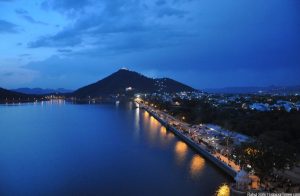
As the day progressed, I decided to visit Fateh Sagar Lake, another iconic attraction that contributes significantly to Udaipur’s identity as the City of Lakes.
Unlike the historic surroundings of Lake Pichola, Fateh Sagar Lake offers a more expansive landscape. Surrounded by hills and scenic waterfront stretches, it provides a wonderful setting for relaxation and leisure activities.
The lake was originally constructed during the reign of Maharana Jai Singh in the late 17th century and was subsequently reconstructed and developed under Maharana Fateh Singh in the 19th century, after whom it was named.
Boating was particularly enjoyable. Being surrounded by such a vast expanse of water, with the Aravalli hills forming a beautiful backdrop, was a memorable experience.
However, what I enjoyed even more was the sheer vastness of the lake and the festive atmosphere surrounding it. The waterfront was buzzing with activity, and visitors seemed to be making the most of their holiday.
Fateh Sagar Lake is also associated with attractions such as Nehru Garden, an island garden accessible by boat, and the scenic Moti Magri area, which houses the Maharana Pratap Memorial.
The evening offered a different perspective of Udaipur. While the Old City reflects the grandeur of its royal past, Fateh Sagar showcases the city’s relaxed, recreational and contemporary character.
A Second Visit to Gangaur Ghat: Discovering Udaipur After Sunset
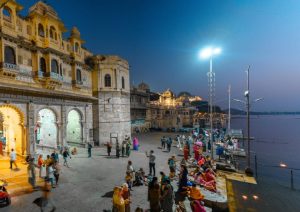
After returning to my hotel, I had a candid conversation with the hotel manager. During our discussion, he suggested that I should visit Gangaur Ghat once again in the evening.
His advice was simple: take a walk and experience the energy of the place.
I decided to follow his suggestion.
I returned to Gangaur Ghat, hoping to discover something different from what I had experienced in the morning.
And I was not disappointed.
The atmosphere was enthralling and captivating. The character of the place had transformed with the changing light and the arrival of evening. The lake, the surrounding heritage buildings and the gathering of people created an altogether different experience.
I became a witness to a unique cultural evening, where the city’s traditional charm blended effortlessly with the enthusiasm of tourists.
The morning had introduced me to the peaceful and picturesque side of Gangaur Ghat. The evening revealed its vibrant social and cultural character.
I realised that some places cannot be understood through a single visit. They need to be experienced at different times of the day to appreciate their changing moods.
What Made My First Day in Udaipur Special?
Looking back, my first day in Udaipur was a wonderful combination of history, architecture, nature and cultural experiences.
Each destination offered a different perspective on the city.
| Destination | What makes it special |
| Gangaur Ghat | Cultural heritage, waterfront charm and beautiful Lake Pichola views |
| Saheliyon Ki Bari | Royal garden architecture, fountains and historical association with royal women |
| City Palace | Magnificent architecture and the glorious history of the Mewar dynasty |
| Fateh Sagar Lake | Scenic landscapes, boating and a lively evening atmosphere |
| Lake Pichola | Historic waterfront architecture and Udaipur’s resemblance to Venice |
Travel Takeaways: Exploring Udaipur Old City
A few practical observations from my experience may help fellow travellers:
- Choose accommodation strategically: Staying in the Old City is convenient if your primary objective is to explore Udaipur’s historical attractions.
- Start early: Visiting popular attractions in the morning can provide a more relaxed experience, particularly during the peak tourist season.
- Explore Gangaur Ghat twice: The morning and evening atmospheres are remarkably different. Both deserve attention.
- Consider renting a two-wheeler: A rental scooty can be useful for covering attractions located outside the immediate Old City area. Always check the rental terms, vehicle condition, licence requirements and helmet availability.
- Allocate sufficient time to City Palace: Two hours can help you explore a substantial portion of the complex, but history and architecture enthusiasts may want to spend longer.
- Don’t miss Fateh Sagar Lake: Its expansive landscape and boating experience offer a refreshing contrast to the crowded historical attractions.
Final Thoughts: Udaipur Is More Than Just a Tourist Destination
My first day in Udaipur reinforced my belief that the real beauty of travelling lies beyond ticking destinations off a checklist.
It lies in observing the enthusiasm of strangers, interacting with local people, discovering unexpected architectural details and experiencing the changing character of a place.
Udaipur has a remarkable ability to bring together different worlds. Its magnificent palaces narrate stories of royal grandeur, its ghats preserve centuries-old cultural traditions, its gardens reflect royal elegance, and its lakes provide an extraordinary natural setting.
The resemblance of Lake Pichola to Venice, the historical significance of City Palace, the serenity of Saheliyon Ki Bari and the festive charm of Fateh Sagar Lake collectively make Udaipur an exceptional travel destination.
Perhaps the most beautiful aspect of the city is that it does not reveal everything at once. Every corner, every ghat and every lakeside promenade offers an opportunity to discover something new.
Udaipur is not simply a city to be visited; it is a city to be experienced, slowly and meaningfully.
Author: D.Chandra